Our pets aren’t just animals who happen to live with us, they're our family. The name "Pelsbarn" literally translates to "furbaby" in Scandinavian, and if you're like us, your furbaby’s happiness is your top priority.
This year, the theme for World Sleep Day (March 13, 2026) is "Sleep Well, Live Better." While this global movement often focuses on human health, we know that for our four-legged children, quality sleep is the foundation of a happy, anxiety-free life.
Why Better Sleep Matters (Even for Dogs!)
Just like with humans, a tired dog is often a stressed dog. A lack of deep and restorative rest can lead to increased restlessness and even "over-threshold" behavior. When your dog sleeps well, they process information better (Deep sleep helps with memory and training), regulate their mood more easily, and above all, it helps them stay healthy as sleep is when their bodies repair joints and boost the immune system.
The Pelsbarn Way: Designing for the Perfect Snooze
We spent over 15,000 hours testing our materials (with a little help from our CEO, Maya the rescue dog) to ensure our beds aren't just soft, but scientifically supportive.
Here is how we bring ultimate comfort and support to your home:
-
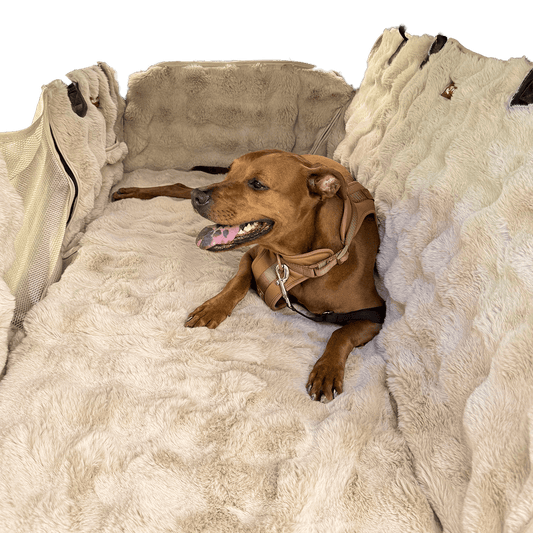
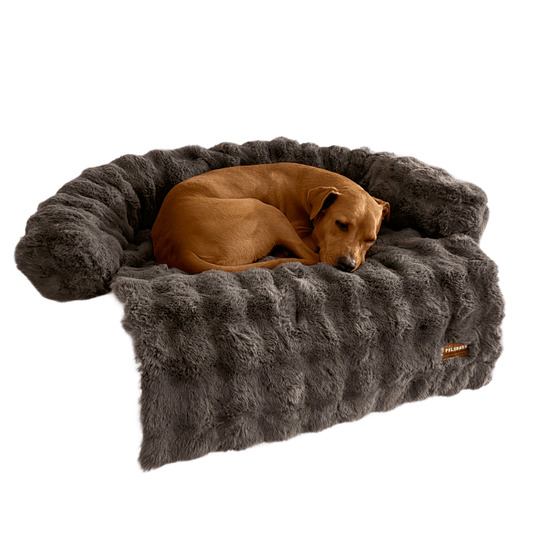
The "Mama Dog" Effect: Our beds feature a raised rim that creates a sense of security. The soft, faux fur mimics the warmth of a mother’s coat, helping even the most anxious pups drift off gently.
-
Orthopedic Support: No more sleeping on the hard floor! Our Luxurious Orthopedic Bed uses pressure-relieving foam to support senior joints and growing pups alike.
-
Breathable & Cozy: We use premium, pet-safe fibers that allow for airflow while staying incredibly plush. Whether it's a chilly winter night or a mild afternoon, your furbaby stays at the perfect "snuggle temperature" without overheating.

Is Your Furbaby Actually Getting "Good" Sleep?
So we know sleep is important. But how do you know if your dog is truly recharging or just "dozing"? According to veterinary sleep studies, a well-rested dog shows specific behavioral cues. Here is the science behind a quality snooze:
-
The "Flop and Relax" Test: Science shows that dogs only enter REM (Deep) Sleep when their muscles can fully relax. If your dog is sprawled out or "flopped" on their side, it’s a sign they feel safe enough to let their guard down. Studies indicate that while dogs have shorter sleep cycles than humans (about 20–45 minutes), they need these uninterrupted windows for memory consolidation and emotional regulation.
-
A Low Resting Heart Rate: During non-REM sleep, a dog’s heart rate and breathing slow down significantly to allow for tissue repair and immune system strengthening. If they are constantly shifting or panting, they may be experiencing "micro-awakenings" caused by an unstable or uncomfortable sleeping surface.
-
Post-Nap Clarity: A dog that has had quality sleep should be alert and "pro-social." Research has linked chronic sleep deprivation in dogs to increased irritability, higher reactivity to stressors (like loud noises), and a decreased ability to learn new commands.
-
The "Nesting" Ritual: This is an ancestral instinct often called "denning" or "nesting behavior." Scientists believe that circling and digging before settling helps dogs create a tactile boundary that releases dopamine, signaling to the brain that it is time to relax. Our raised-rim design satisfies this psychological need, helping them fall into a deeper sleep faster.
Rest with a Purpose
The best part of a good night’s sleep? Knowing you’re helping another dog get theirs. At Pelsbarn, our mission is to save 1 million shelter animals. Every purchase directly funds life-saving treatments and cozy beds for rescues waiting for their forever homes.
Did You Know? Fun Facts About Dog Dreams 🐾
Before you tuck them in tonight, check out these fascinating facts about how your pup snoozes:
-
The "Dead Bug" Position: Does your dog sleep on their back with legs in the air? This is the ultimate sign of trust! By exposing their belly, they’re telling you they feel 100% safe in their Pelsbarn home.
-
They’re Reliving Their Day: If you see paws twitching or hear tiny "woofs," they are in REM sleep. Science suggests they are dreaming about their favorite things: like that game of fetch or the walk you took earlier!
-
Sleep Champions: While we aim for 8 hours, the average adult dog needs 12–14 hours, while puppies and seniors can sleep up to 20 hours to support their growing (or aging) bodies.
-
The "Nose" Never Naps: A dog’s brain stays alert to smells even while dreaming. They can filter out "normal" house smells but will wake up instantly at the scent of a stranger, or more likely, a treat bag opening!
Sources & Further Reading
To keep things transparent for our community, here are the scientific foundations for our sleep tips:
-
Adams, G. J., & Johnson, K. G. (1993). "Sleep-wake cycles and other night-time behaviors of the domestic dog." Applied Animal Behaviour Science.
-
Kis, A., et al. (2017). "The interrelated effect of sleep and learning in dogs." Scientific Reports.
-
Bunford, N., et al. (2018). "Rapid eye movement density during REM sleep in dogs." Learning & Behavior.
-
Next Level Dog Training (2024). "Sleep for Dogs: How sleep affects behavior and mood regulation."