There is a specific kind of magic that enters a home with a new puppy. It’s in the rhythmic "thump-thump" of little paws against the floor, the soft weight of a sleepy head on your lap, and that unmistakable, bumbling curiosity that turns a simple hallway into a world of wonder.
Today is World Puppy Day, and what better opportunity is there to talk about these little bundles of joy? Caring for a puppy is a messy, beautiful, and deeply rewarding process of helping another being make their way into the world, while getting a lifelong companion on the way.
If you have ever cared for a puppy or are doing so now, you already know that besides snuggles, they are also a masterclass in patience. To help you navigate the chaos and beauty of this time, we’ve gathered a few puppy training tips for the most common growing pains, along with the joys that make them all worthwhile.
Puppy potty training tips
Realistically, most puppies do not gain reliable bladder control until around five months, so patience is your best tool during this season. We recommend an hourly "garden break" to set them up for success, specifically focusing on the three golden windows: 5 minutes after play, 5 minutes after a meal, and immediately upon waking. By staying observant, you’ll notice the shift from active play to a sudden sniff, a circular walk, or a dash across the room(all tell-tale signs that it’s time to head outdoors)
At Pelsbarn, we advocate for a purely positive approach; scolding a pup for an accident only teaches them to hide, whereas rewarding a successful moment builds lasting trust. Bring some high value treats with you every time you go outside together, and decide on a ‘potty’ word that they eventually will associate with going potty. Directly after a pee, give them a treat and as soon as the treat hits their mouth, you say ‘potty’ and not much more. Keeping it simple allows your dog to associate the deed-treat-word combination faster, whereas a big showering of compliments and ‘good girl/boy’ might be confusing. This way, you build trust, clarity, and keep the experience positive for you both. Happen to catch your pup red handed indoors? Don’t react, simply clean up and move on. They’ll eventually notice a treat is associated with going outside, while going inside leaves them with nothing.
The "Land Shark" Phase
Those needle-sharp puppy teeth can be a test of patience, but they eventually give way to the comfort of a dog who just wants to be near you. When "play biting" becomes a bit too rough, use a reverse time-out. The moment teeth touch skin, quietly step behind a baby gate or into another room for a while. This calm withdrawal is the most effective way to teach a puppy that the "fun" only continues when they are gentle.

What to do when your pup’s in the puppy fear periods?
Puppies typically move through two sensitive "Fear Periods", the first between 8-11 weeks and the second between 6-14 months. During these windows, a single negative experience can result in "single-event learning," where a puppy permanently associates a specific object or sound with terror. Here is how you can navigate these moments:
-
The "Let Them Lead" Rule: If your puppy suddenly barks at a trash can or cringes at a vacuum, never force them to approach it. Forcing a dog to "confront their fear" during this period can cause lifelong trauma. Instead, stop, let them observe from a distance, and wait for them to take a step forward on their own.
-
The "Look at That" Game: When your pup spots something scary, wait for them to look at it, and then immediately look at you. Reward that check-in with you by giving them a high-value treat. This changes their emotional response from "That thing is scary" to "That thing is a cue to check in with my owner for something good."
-
Avoid the "Pity Trap": It is a common instinct to coddle your scared puppy with high-pitched "It’s okay, baby!". and while you should offer comfort, over-the-top fussing can accidentally confirm to the puppy that there is something to be afraid of. being a "calm, neutral anchor." instead shows them that it is, actually, okay. Use a steady, low voice and keep your own body language relaxed.
-
The Power of Proximity: If they are truly terrified, simply move away. Increasing the distance between your puppy and the "scary thing" lowers their cortisol levels instantly. Once they are at a distance where they can take a treat again, you have reached their "threshold." This is the distance they’ll need to learn.
By prioritizing emotional stability over obedience during these weeks, you ensure they grow into a steady, fearless partner. Training a "sit" can wait; building a foundation of trust cannot.
The best dog beds for puppies
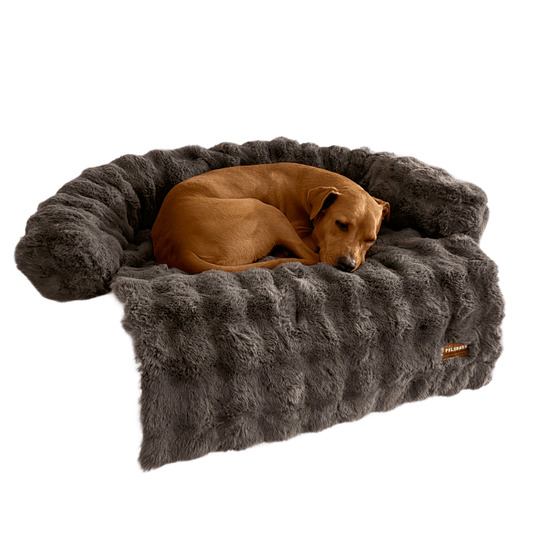
Choosing a bed for a young dog is about more than just a soft place to sleep; it’s about providing a "den" that supports their growing joints and calms their developing nervous system.
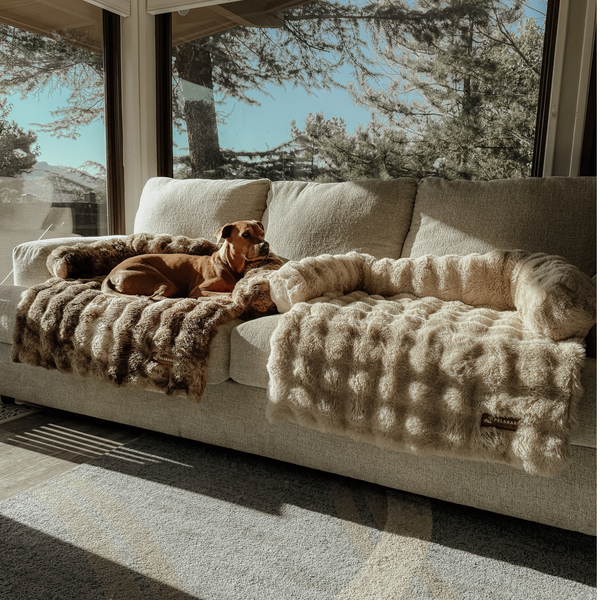
1. A Sofa Bed: The best way to keep your puppy from destroying your furniture
Your puppy is happiest when they are where you are, and often, that's on your sofa. When you are looking to protect your sofa against claws, teeth and fur while assuring your pup has a comfortable place to rest, a Sofa Bed is your best ally.
-
Puppy Benefit: It allows for shared moments on the couch while providing a clear boundary for where the puppy should settle. It also comes with raised edges that make your puppy feel safe and protected.
-
Home Aesthetic: The long front flap protects your upholstery from "zoomie" landings and sharp puppy claws, keeping your living space pristine while welcoming your new family member.

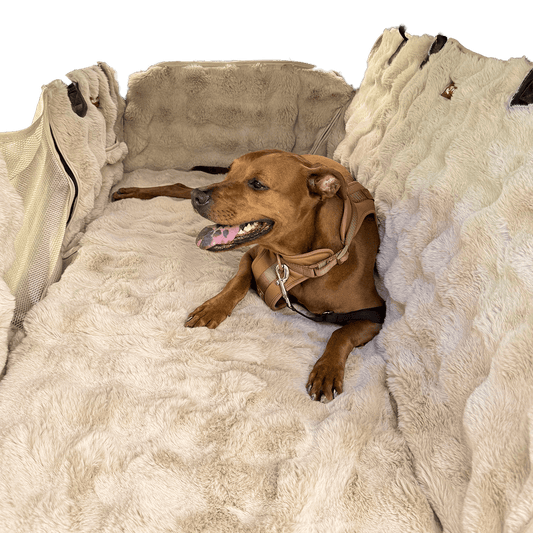
Early socialization, vet appointments, and adventures out in nature require frequent trips, and the car can be a daunting environment for a small pup. To make sure they stay both safe and calm, a high quality car bed for dogs might be a good investment.
-
Puppy Benefit: By using the same familiar "Mother's Fur" material as their indoor bed, the Luxurious Cosy Car Bed gives your puppy a safe and comfortable place to rest, anywhere you go.
-
Safety First: It includes a built-in safety leash that anchors to the seatbelt, preventing a curious pup from wandering while you drive.
-
Bonus: it transforms into a donut bed outside of the car. This way, your pup will have a safe spot they'll recognize even when you're visiting friends and family.

A Partnership for the Long Haul
The chewed slippers and interrupted nights are a brief season, but the bond you are building is permanent. Raising a dog with intention creates a companion who brings a quiet, steady warmth to your home and whose connection will stay with you for life.
They teach us to slow down, to find contentment in the present, and to appreciate the luxury of a truly loyal friend by our side.
Today, we celebrate the work you put in and the immense joy you receive in return. Whether you are currently in the thick of puppyhood or sharing your afternoon with a dignified senior, thank you for letting us be a small part of your story.
Want to know more about small habits that can make your life together easier? This article teaches you some small training habits that can make a big difference for you and your dog in 2026.
Happy World Puppy Day, from our home to yours.
Warmly,
Tania from Team Pelsbarn