


Advertorial · Paid Content
Healthy Dog Longevity Report
Pet Health › Senior Dogs › Immune & Longevity Support
Vet Reveals the 30-Second "Lump Map" She Uses on Her Own Labrador
Why she now checks poop, paws, coat, energy, and lumps together. Instead of treating them like separate problems.
By Dr. Jennifer Cole, DVM
Veterinarian · Immune & Longevity Support
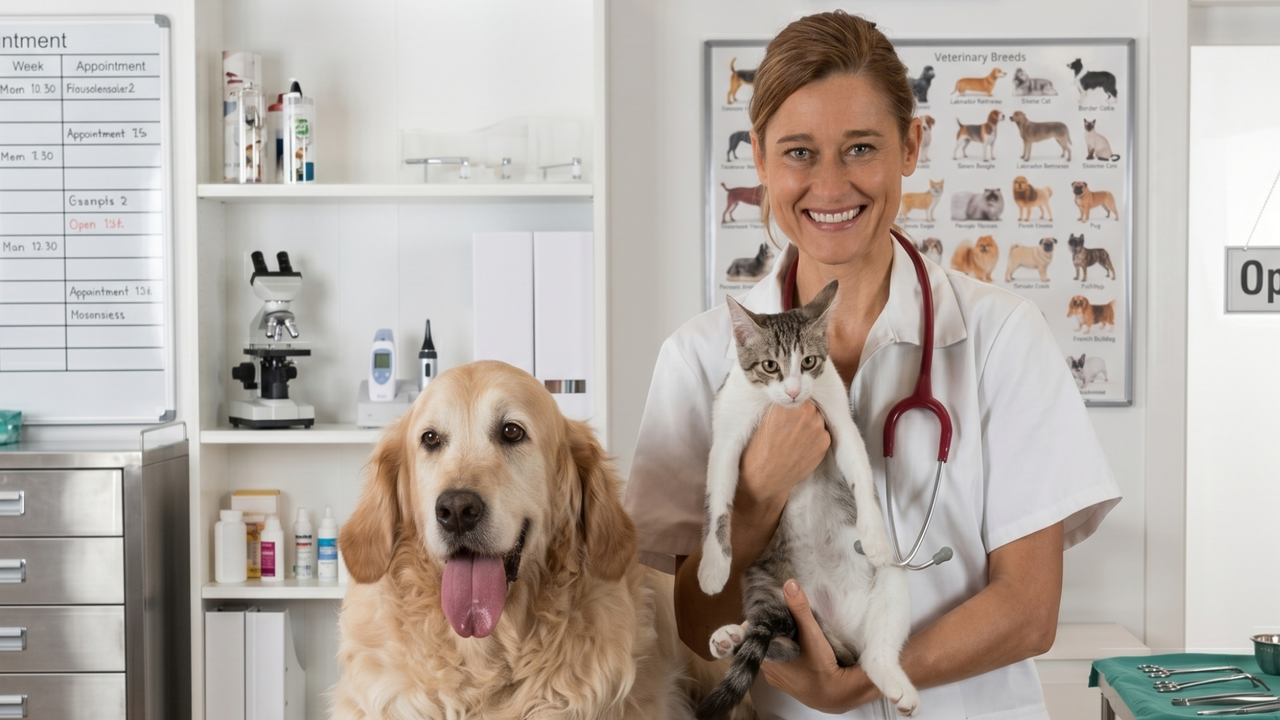
I have told hundreds of dog parents the same sentence:
Don't panic. Let's check it first.
That is what you say as a veterinarian when someone brings in a dog with a small lump. You stay calm. You examine it. You test it if needed. You monitor it. You do not jump to the worst-case scenario.
I believed every word of that advice.
Then one night, while petting my own Labrador, my hand stopped.
There it was. A small lump under his coat. Soft. Moveable. Easy to miss. The kind I had calmly examined on other people's dogs for years.
But this time, it was not 'a patient.' It was my dog.
And suddenly, the calm professional part of me went quiet.
My vet brain said: "Stay calm. Check it. Measure it. Monitor it."
But my dog-mom brain said: "Why is this happening already?"
I remember looking at him lying there, completely relaxed, completely unaware that my mind had started racing. Was it new? Had it grown? How long had it been there?
Had I missed other signs?
The Lump Wasn't the Only Clue
Once I found the lump, I started noticing things I had been explaining away. His poop was not as consistent as before. His coat was still nice, but not as glossy. He had started licking his paws more often. He had a little less spring after active days. Sometimes he ate grass.
Nothing dramatic. Nothing that screamed emergency. But together, it formed a pattern.
That was the moment I realized something uncomfortable: most dog parents do not ignore early changes because they do not care. They miss them because those changes look too normal.
A little lump. A little paw licking. A little softer stool. A little less energy. A little stiffness. A little more grass eating. Each one is easy to dismiss. But senior-dog aging often starts as a collection of 'little things.'
Aging rarely screams at first. It whispers.
And by the time many dog parents finally act, they are already facing the options that scare them most: expensive testing, expensive pills, expensive procedures. Or in some cases, surgery, which they were not financially or emotionally prepared for.
I want to be clear: veterinary care is important. Testing matters. Surgery can be necessary. Medication can be the right choice.
But as both a vet and a dog mom, I also know the reality many families face. Vet bills can become overwhelming fast. And many dog parents are left thinking: I wish I had started supporting his body earlier.
That is where my thinking changed. I did not want to wait until every option felt stressful, expensive, or urgent. I wanted a simple daily ritual that helped me support my dog before crisis mode.
Why I Stopped Looking at Lumps in Isolation
A lump should never be ignored. If your dog has a new, growing, hard, painful, fixed, bleeding, or changing lump, you should contact your veterinarian.
But after finding that first lump on my own Labrador, I stopped seeing lumps as isolated skin problems. I started asking a better question: 'What else is changing in the dog?'
Because the same dog with a lump may also have inconsistent stool, paw licking, a dull coat, lower energy, more stiffness, grass eating, or slower recovery after walks. None of these signs automatically means something serious is happening. But together, they tell me the dog's body may need more support.
That is why I built a simple senior-dog routine for my own Labrador. I call it the Lump Map Longevity Ritual. It combines weekly lump tracking, proper vet checks when needed, better food quality, daily movement, poop monitoring, and mushroom-based immune support.
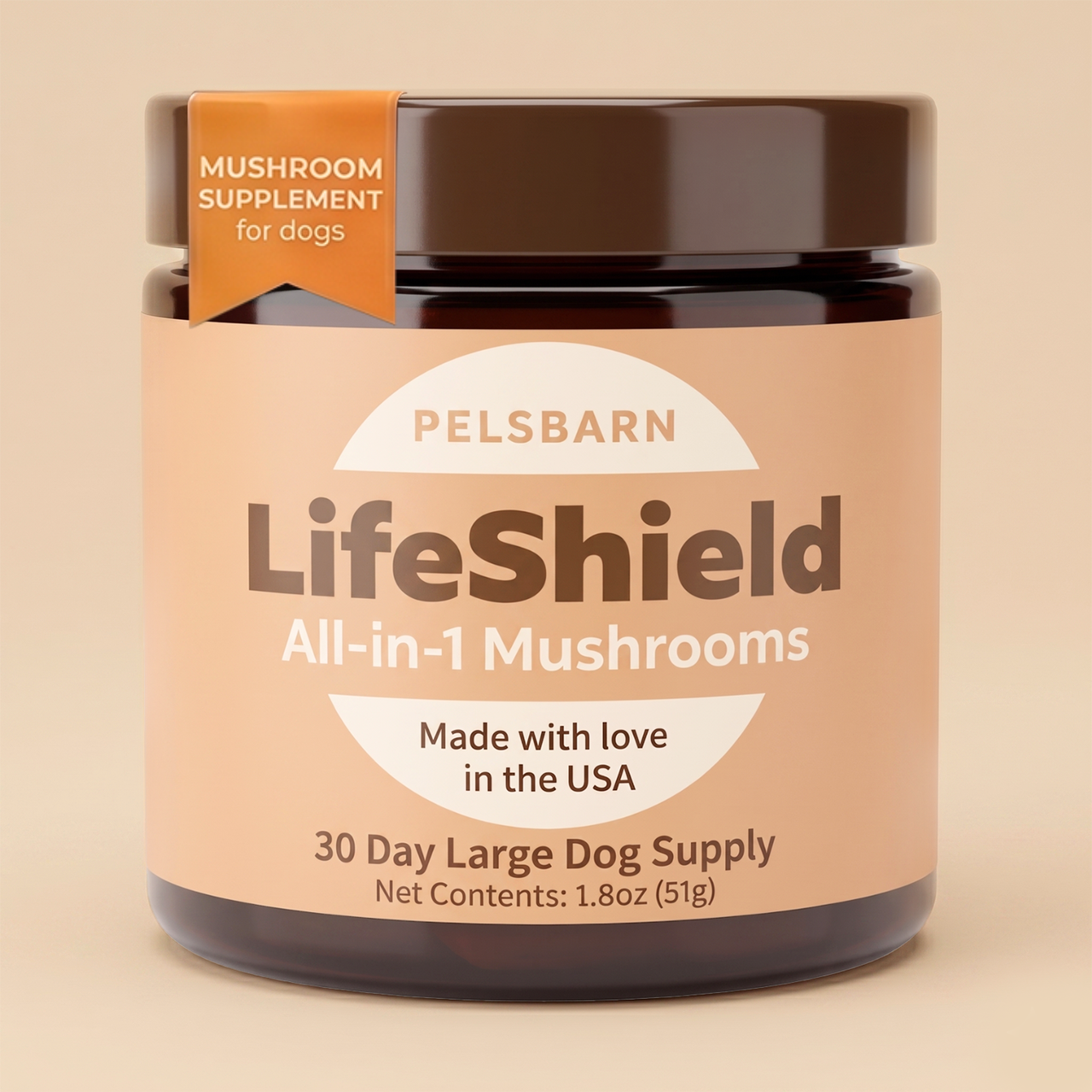
That ritual eventually became LifeShield All-in-1 Mushrooms.
The 5 Signs I Now Check Every Week
Once a week, I run my hands over my dog's body and check five simple things. These are the same things I recommend dog parents watch closely.
1
Lumps and bumps
Where are they? Are they soft or firm? Moveable or fixed? Growing, shrinking, or staying the same? Have they been checked by a vet? The goal is not to panic. The goal is to stop guessing.
2
Poop quality
Your dog's poop is one of the easiest daily windows into internal balance. Is it firm and brown? Too soft? Too dark? Covered in mucus? Changing week to week? When stool keeps changing, I pay attention.
3
Paw licking
Paw licking can come from many causes: allergies, irritation, boredom, environment, food sensitivities. But when it appears with stool changes, coat decline, low energy, or lumps, I start looking at the whole dog, not just the paw.
4
Energy and recovery
Many parents say 'he's just getting older.' Sometimes that's true. But I still want to know: Does he still want to play? Does he recover normally after walks? Is he sleeping more than usual? Less excited in the morning? Energy is one of the first things owners notice when a dog feels better supported.
5
Coat and stiffness
A dull coat, slower movement, stiffness after rest, or reluctance to jump can all be part of normal aging. But they can also be signs the body needs more support for normal inflammatory response, immune function, and whole-body resilience.
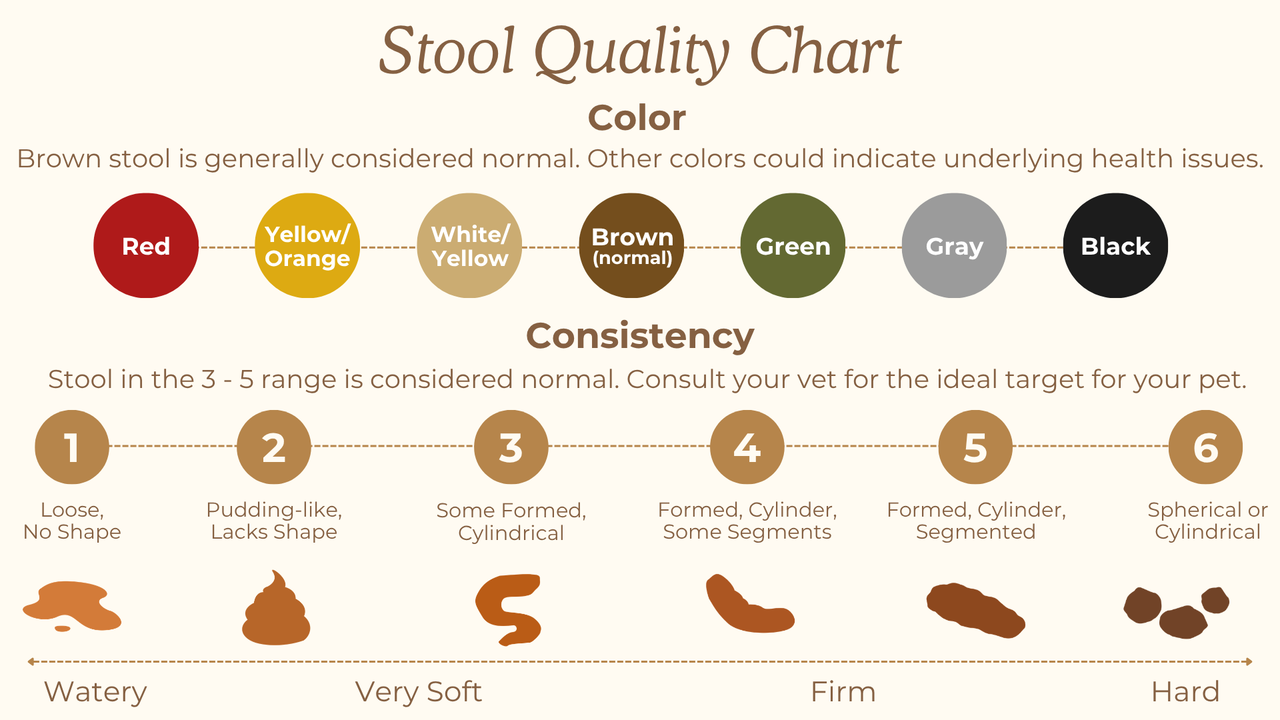
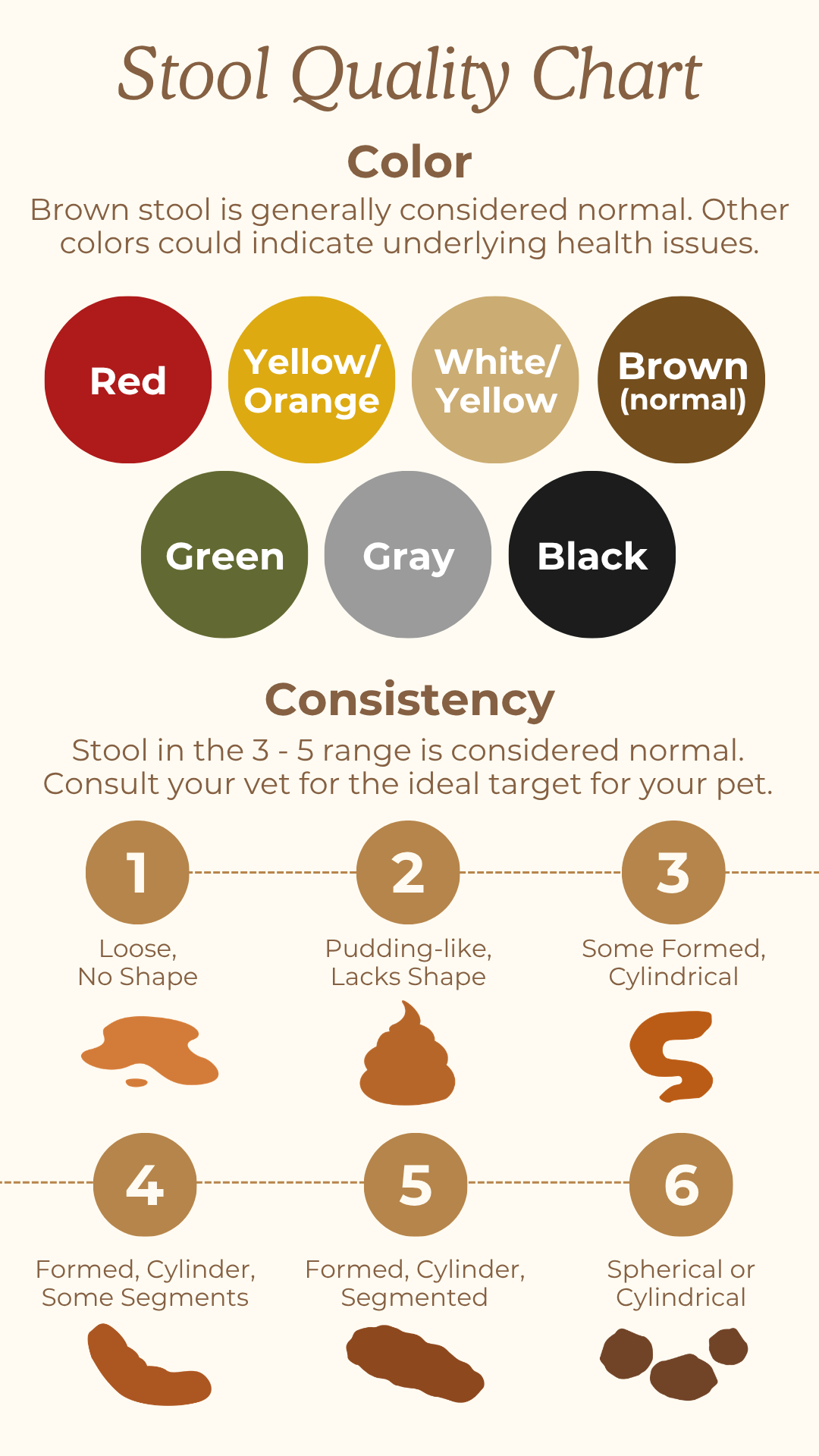
A simple stool guide is one of the easiest daily health windows.
Why I Built a Daily Ritual Instead of Waiting for a Crisis
Most dog parents act when something becomes obvious. The lump gets bigger. The poop turns alarming. The limp becomes hard to ignore. The energy disappears.
But I did not want to wait for crisis mode with my own dog. I wanted a daily support ritual, something simple enough to actually do every day, that supported the systems dogs rely on most as they age: immune function, gut balance, normal inflammatory response, energy, skin and coat health, and whole-body resilience.
That led me back to one of the most interesting categories in veterinary wellness: functional mushrooms.
Mushrooms for Dogs?
I understand why that sounds strange at first. Most dog parents have heard of probiotics. They've heard of fish oil. They've heard of joint chews. But mushrooms? That still feels new. And that is exactly why I started paying attention.
Functional mushrooms have been studied for years because they contain natural compounds called beta-glucans and polysaccharides, which are known for their role in immune support. And the immune system is not only about fighting sickness, it is involved in everyday repair, surveillance, balance, and healthy aging. Senior dogs need that support more than most owners realize.
Mushrooms are not magic. They are not a cure. They are not a replacement for veterinary care. But as part of a daily longevity routine, they made sense to me.
That is why I wanted a formula I could add to my own dog's dinner every day. Not a random blend. Not a trendy one-ingredient powder. Not a cheap dusting of mushrooms hidden inside a treat. A focused, carefully built, vet-guided mushroom stack.
The 7 Mushrooms I Chose
I became obsessive about this formula. If I was going to give it to my own Labrador every day, I wanted every ingredient to earn its place. LifeShield uses seven organic mushrooms selected to support healthy aging from multiple angles.
Turkey Tail
A well-known mushroom for immune support, rich in beta-glucans and polysaccharides.
Reishi
Often called the 'mushroom of longevity,' used to support immune balance and normal inflammatory response.
Cordyceps
Chosen for energy and vitality support, especially in dogs who seem slower to bounce back.
Maitake
A beta-glucan-rich mushroom traditionally used for immune and metabolic support.
Shiitake
A classic functional mushroom for immune function and overall wellness.
Chaga
Selected for antioxidant support, which matters more as dogs age.
Phellinus
A lesser-known mushroom often used in serious immune-support formulas.
Together, these seven mushrooms became the foundation of LifeShield All-in-1 Mushrooms. Not a miracle product. A daily senior-dog support ritual.
What Happened With My Labrador
I want to be very clear. LifeShield did not 'magically erase' my dog's lump overnight. That is not how responsible veterinary care works. We checked it. We monitored it. We tracked it. And we supported his body daily.
What changed was that I finally had a system. His energy stayed strong. His stool became easier to monitor. His coat looked better. He kept moving well.
And instead of randomly touching a lump and worrying in silence, I had a plan. A weekly map. Photos. Notes. Vet checks. Daily support.
That is what I want for every dog parent. Less panic. More awareness. Better daily support. And a closer relationship with your veterinarian.
The 30-Second Lump Map
Once a week, while your dog is relaxed, slowly run your hands over:
Neck
Shoulders
Chest
Belly
Sides
Armpits
Back
Hips
Legs
If you feel something new, write down:
Location
Approximate size
Soft or firm
Moveable or fixed
Painful or not painful
Date noticed
Then take a clear photo. If it is new, growing, hard, fixed, painful, bleeding, changing color, or bothering your dog, contact your veterinarian. This is not about fear. It is about knowing your dog's body. Because the earlier you notice changes, the better conversations you can have with your vet.
Buy 1 Get 1 Free — Introductory Launch
Start Dr. Cole's Senior Support Ritual
Each jar is a 30-day supply for large dogs · Made in Miami · Every sale helps a dog in need
Claim Buy 1 Get 1 Free
90-day money-back guarantee · Free shipping
Why Dog Parents Are Adding LifeShield to Dinner
Most owners do not want a complicated routine. They want something simple. That is why LifeShield is just one daily scoop. Add it to your dog's food. No stressful pills. No forcing. No complicated wellness project. Just a simple daily ritual for dog support.
LifeShield is designed to support immune function, gut balance, normal inflammatory response, energy and vitality, coat health, dog resilience, and whole-body longevity, especially for dog parents already noticing changes like lumps, stool changes, paw licking, coat dullness, stiffness, grass eating, or lower energy.
Who LifeShield Is For
LifeShield may be a good fit if your dog:
Is 3+ years old
Has new or existing lumps being monitored by a vet
Has inconsistent stool
Licks paws often
Eats grass or dirt
Has a duller coat than before
Seems less energetic
Is stiffer after rest
Is entering their senior years
Needs a simple daily longevity ritual
LifeShield is not a replacement for diagnosis, treatment, surgery, medication, or veterinary care. It is daily nutritional support. And for many dogs, daily support is exactly what has been missing.
Why I Wanted to Make This Affordable
When we created LifeShield, I did not want it to become another overpriced product that only some dog parents could justify. I have seen what happens when families are forced to make decisions under pressure. They love their dogs. They want to do the right thing. But every vet visit, test, medication, and procedure adds up.
That is why I wanted LifeShield to be something dog parents could start before they were in panic mode. A daily scoop. A simple routine. A formula built with care. And a price that makes it easier to stay consistent.
This is also why we are launching with a Buy 1, Get 1 Free offer. Not because the formula is cheap, it is not. The ingredients were hand-selected, and the formula took real work to get right. But because I want more dog parents to try the ritual without feeling like they have to choose between doing something supportive and staying within their budget.
LifeShield is still a small-batch product. We are not a giant pet corporation. We cannot promise this launch offer will stay available forever. But while we can, I want to make it easier for dog parents to start.
Try Dr. Cole's 30-Day Senior Support Ritual
For the next 30 days, do three things. First, start a weekly Lump Map. Second, watch your dog's poop, paws, coat, movement, and energy. Third, add one scoop of LifeShield to their food daily.
Many owners notice better energy. Many notice more consistent stool. Many notice a shinier coat. And many simply feel calmer because they finally have a plan. Every dog is different. But every dog deserves support before a crisis.
Buy 1 Get 1 Free — Introductory Launch
Get LifeShield Today
Available now from Pelsbarn · Each jar is a 30-day supply for large dogs. Click below to check today's availability and start the ritual.
Shop Now — Buy 1 Get 1 Free
90-day money-back guarantee · Free shipping
90-Day Money-Back Guarantee
I want you to feel good about trying LifeShield. That is why every order is protected by our 90-day money-back guarantee.
Try the daily scoop. Track your dog's poop, paws, coat, energy, movement, and lumps. Use the Lump Map. Give the ritual a fair chance. If you do not feel LifeShield is a good fit for your dog, you can contact us within 90 days for a refund. No stress. No guilt. No complicated process.
I built this to help dog parents feel more supported, not pressured.
A Final Note From Dr. Cole
If your dog has a lump, please do not ignore it. And please do not assume. Have it checked. Track it. Photograph it. Ask your vet what it is.
But also zoom out. Look at the whole dog. Their poop. Their paws. Their coat. Their energy. Their movement. Their mood. Because aging is not one thing. It is a pattern. And when you learn to see the pattern early, you can support your dog better.
That is why I built LifeShield. For my own Labrador first. And now, for yours.
LifeShield is a nutritional supplement intended to support normal immune function, gut balance, normal inflammatory response, and overall wellness. It is not intended to diagnose, treat, cure, or prevent any disease. These statements have not been evaluated by the FDA. Always consult your veterinarian about new, growing, painful, hard, fixed, bleeding, or changing lumps. Results vary between dogs.
- Al seleccionar una opción, se actualiza toda la página.
- Se abre en una nueva ventana.