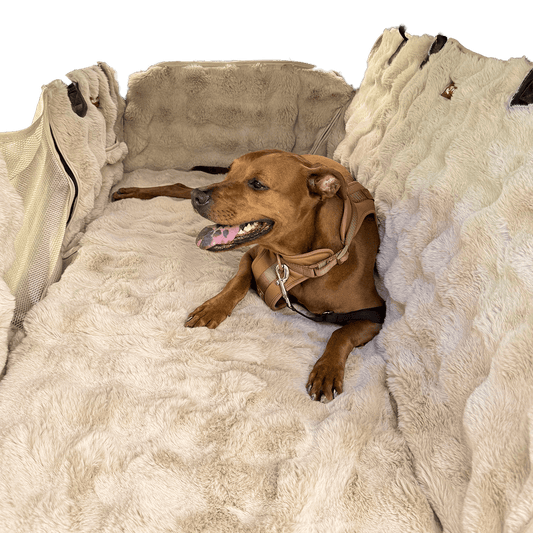
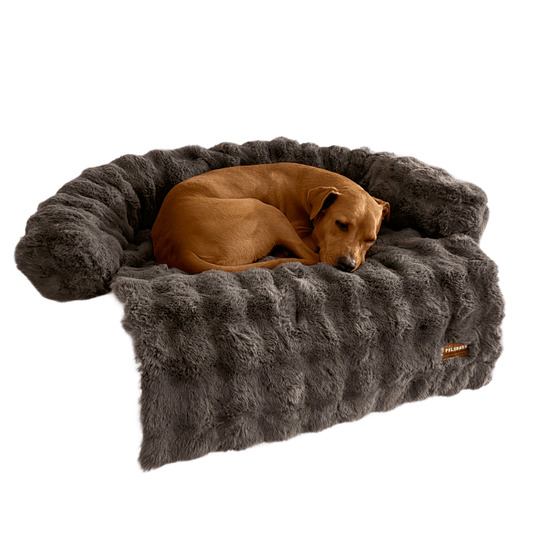
The Myth of “Just a Soft Bed”
To many people, a dog bed is simply a soft place for their dog to curl up. But a dog’s bed plays the same role as a human mattress: its structure determines how their body is supported for hours every day.
Most dogs sleep between 12 and 14 hours per day, meaning nearly half their life is spent lying down. If their bed doesn’t provide proper support, that pressure transfers straight into their joints and spine. Over time, this can lead to stiffness, soreness, and early signs of arthritis.
So let’s look at what truly sets an orthopedic bed apart from an ordinary one.
What Makes a Bed “Orthopedic”?
An orthopedic bed is specifically engineered to maintain a dog’s natural alignment, reduce pressure points, and support healthy posture.
Here’s what actually makes the difference:
Regular dog beds are usually designed for everyday comfort. They are often filled with materials such as:
-
Soft polyfill, recycled fibers, or foam flakes. These offer a plush, cozy feel and insulation.
-
Single-layer foam or moderate-density foam bases. These provide basic cushioning and comfort, especially for younger, lighter, or healthy dogs who don’t need specialized support.
These materials give a familiar “pillow-like” softness, but they don’t actively shape themselves to the body or relieve deep pressure on joints.
Orthopedic dog beds are built for structural support.
They typically feature:
-
High-density orthopedic foam that molds to the dog’s contours and evenly distributes weight across pressure points like hips, elbows, and shoulders.
-
A supportive base layer of firm foam (often high-resilience polyurethane) that prevents the dog from sinking too deeply, keeping their spine and joints properly aligned.
-
Layered construction, combining soft comfort foam on top with firmer support layers below much like a human orthopedic mattress.

Which Dogs Benefit Most?
While every dog enjoys a good nap, some pups truly need orthopedic support:
🐾 Senior dogs: As dogs age, cartilage naturally wears down. A supportive bed cushions their joints and helps them rise more easily.
🐾 Large breeds: Bigger dogs carry more weight, which puts extra pressure on their hips and elbows. Orthopedic foam evenly distributes that load.
🐾 Active dogs: Whether your dog loves running, hiking, or playing fetch, an orthopedic bed supports muscle recovery after an active day.
🐾 Thin or short-haired breeds: Less natural padding means they feel hard floors more easily, making extra cushioning essential.
🐾 Dogs recovering from injury or surgery: Firm, stable support reduces strain and promotes healing.
In truth, any dog can benefit from orthopedic comfort. Especially if you want to prevent future joint issues rather than treat them later.
Signs Your Dog Might Need an Orthopedic Bed
You don’t need a diagnosis to spot when your dog’s bed isn’t doing its job. Watch for these subtle signs:
-
Hesitation when lying down or getting up
-
Stiffness after naps
-
Choosing the couch or your bed instead of their own
-
Restless sleep or frequent position changes
-
Visible discomfort after play
If these sound familiar, an orthopedic bed might be the upgrade they’ve been silently asking for.

How to Choose the Right Orthopedic Bed
Not all “orthopedic” labels are created equal. Here’s how to spot quality that truly lasts:
- Check the foam density: Look for high-density orthopedic foam. A good orthopedic bed should hold its shape for years, not months
- Removable, washable covers: Hygiene is comfort too. Choose easy to clean materials
- Non-slip base: Especially important for older dogs to prevent slipping when getting in or out of their bed
- Durable fabrics: Look for materials that resist sagging, clumping, or tearing.
- Easy entry: Look for beds that have an easy access feature, so your dog does not have to put in extra effort just to lay down
One More Thing
Not every dog needs an orthopedic bed, but every dog can benefit from one.
The key is understanding what your dog’s body is telling you.
An orthopedic bed is worth considering when:
-
Your dog is a senior or starting to slow down.
-
You notice stiffness, trouble getting up, or they avoid lying on hard floors.
-
They’re a large or giant breed, where joint stress naturally builds over time.
-
Your dog is recovering from an injury or surgery and needs stable support.
-
You want to prevent joint issues early in an active or athletic dog.
In these cases, orthopedic foam helps reduce strain, supports natural posture, and can genuinely improve long-term mobility and comfort.
A regular high-quality bed, on the other hand, is perfectly fine when:
-
Your dog is young, healthy, and agile.
-
They sleep comfortably and show no signs of soreness.
-
You’re mainly looking for softness, warmth, and coziness rather than deep orthopedic support.
Regular beds still offer comfort and security. They just don’t have the same targeted pressure relief or structural design as orthopedic ones.
Ultimately, it’s about matching the bed to your dog’s lifestyle and life stage.
If your dog bounces up happily each morning, a plush, supportive regular bed might be all they need for now. But if they’re showing early signs of stiffness or simply getting older, investing in orthopedic support isn’t indulgent. It’s a proactive way to keep them comfortable for years to come.
Warmly,
Tania from Team Pelsbarn