What feels like a celebration to us can feel frightening to our fur babies. Loud booms, bright flashes, and ongoing hours of unfamiliar noise can leave even the calmest pups feeling scared and uncertain.
Every dog is different, but these simple strategies can make a real difference for pups who find holiday celebrations a little overwhelming.
1. Start Sooner Than You Think
It's easy to wait until the fireworks start before thinking about your dog's anxiety, but by then they're already reacting to the noise.
A simple 5–10 minute routine for a few days prior can already help:
-
Play low-volume firework sounds while your dog eats something they love
-
Slowly increase volume by tiny increments only if they stay relaxed
-
Keep sessions short and end on a positive note
This builds familiarity, not fear. Even three days of practice helps a noise-sensitive dog feel more grounded.
2. Choose the Right Room for Them
Many guides say “create a safe space,” but the important part is where.
Look for a room that naturally blocks sound:
-
Usually an interior room (bathroom, utility room or large wardrobe)
-
Rooms with carpets, sofas, towels, or soft furnishings
-
Rooms away from shared walls with neighbours likely to set off fireworks
Do a quick test: close the door, play a loud noise on your phone in the hall outside the room, and see how much is reduced inside. The best room is the one with the lowest echo.

3. Reduce Sudden Booms Rather Than Trying to “Cancel” Them
Softening the sharpness of each boom helps a lot.
What may work well for your pup:
-
A low, steady bass sound (ambient playlists, rain sounds, brown noise)
-
If they are in the laundry room, tennis balls in the dryer work wonders!
-
A fan or air purifier placed near the door
-
A TV or podcast with warm voices (sports or nature documentaries work great)
Dogs don’t get calmer from silence; they get calmer from predictability.
4. Give Their Body Something to Do With the Anxiety
An anxious dog often needs an outlet, not just comfort.
Useful activities:
-
Licking mats (reduce adrenaline by encouraging repetitive movement)
-
Long-lasting chews (keeps their jaw moving, which promotes calm)
-
Sniffing games like kibble scatter or towel rolls (sniffing lowers heart rate)
These shift their brain into “problem-solving mode,” which is incompatible with panic.
5. Use Calming Aids Strategically, Not Randomly
Many calming supplements and tricks work, but timing matters.
For example:
-
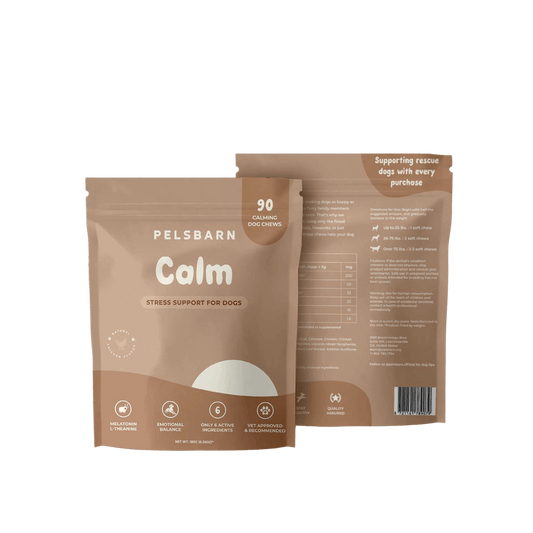
Calming chews should be given ahead of time. Usually 30 - 60 minutes before fireworks start
-
Pheromone diffusers need several days to build an effect
Test everything before the holidays so your dog isn’t introduced to something new in the middle of stress.
6. Plan Walks With the Worst-Case Scenario in Mind
Instead of “walk earlier,” think this way: “What if a firework goes off right next to us during the walk?”
Prepare for that:
-
Use a secure harness with two connection points or a secondary safety clip
-
Avoid retractable leashes (too much slack during a spook reaction)
-
Bring high-value treats in case they freeze or try to run
Many dogs slip collars during the holiday season because they twist their neck rapidly during a panic moment. Secure gear prevents this.

7. Manage Your Home’s “Escape Routes” Before Fireworks Begin
Dogs in panic can behave unpredictably, even if they’ve never attempted to escape before.
Checklist:
-
Lock windows, even small ones
-
Check that balcony doors fully latch
-
If you have a garden, secure side gates
-
Make sure everyone in the house knows not to open the front door without checking first. If you go outside to watch or light fireworks, close the door behind you
This sounds trivial until you’ve seen a normally calm dog bolt when a firework explodes overhead.
8. Your Behavior Matters, but Not in the Way People Assume
You don’t need to ignore your dog, and you don’t need to “act normal.”
What helps most is consistency.
Try to:
-
Move slowly and deliberately
-
Speak in your normal voice (not a special “it’s okay” voice)
-
Stay in the room if your dog is comforted by your presence
-
Avoid crowding them if they prefer hiding
Dogs don’t need a performance, they need predictable humans.
9. Let Them Choose Their Coping Strategy
Some dogs want to hide. Some want to sit next to you. Some want to curl up in their bed.
Let them decide.
You can offer:
-
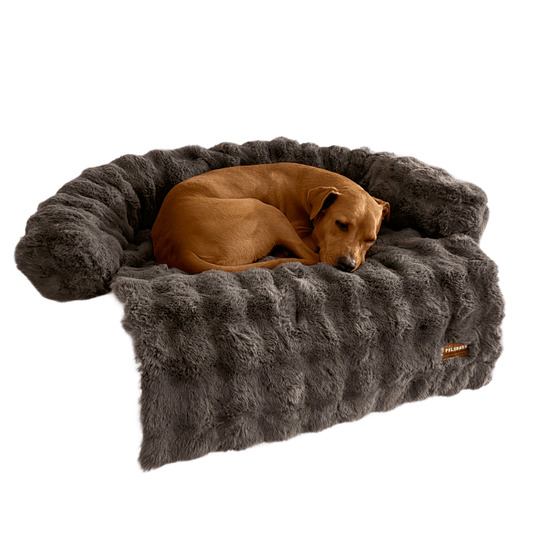
A bed in a corner
-
A blanket-draped crate (only if they already love the crate)
-
A safe spot under the table or desk
Never force them into a place “because it’s calmer there.” Forcing increases stress.
10. For Dogs With a History of Severe Panic
If your dog has previously:
-
Tried to escape
-
Injured themselves
-
Refused to eat for hours
-
Hyperventilated
-
Lost control of bladder/bowels
If your dog has ever shown severe signs of fear during loud celebrations, it's important to speak with your veterinarian.
There's no need to downplay what your dog has experienced. Being open and honest about their behaviour will help your vet recommend the best approach to keep them safe, calm, and comfortable during future celebrations.
Final Notes
Most dogs get through holiday seasons much more comfortably when you combine:
-
A well-chosen room
-
Predictable background noise
-
The right calming tools
-
A familiar routine
-
A clear, calm human presence
While you can't control the fireworks outside, you can help create a sense of calm inside. Your pup will often take comfort from your presence, so staying relaxed and keeping their environment as peaceful as possible can help them settle more easily.
Happy 4th of July! 🇺🇸
Warmly,
Tania from team Pelsbarn